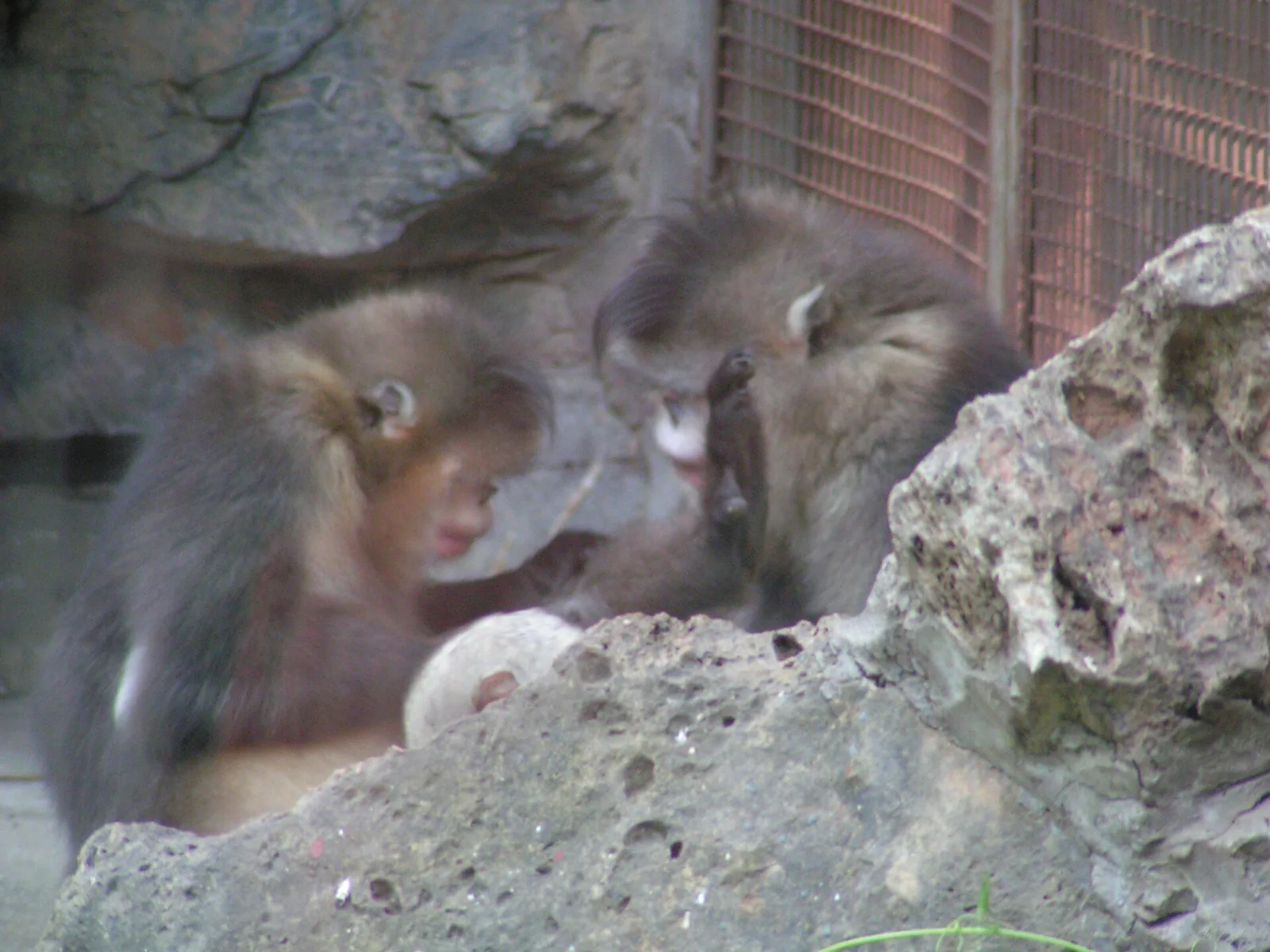
Yunnan's mountains are not just scenery; they are biological corridors. The Hengduan range, the Gaoligong mountains, and the tropical valleys of the south connect the Tibetan plateau to Southeast Asia. Species move through these valleys, and new ones are still being described. For travelers, this is both a privilege and a responsibility.
Why so many species
The province spans tropical, subtropical, temperate, and alpine zones within a few hundred kilometres. Deep river valleys isolate populations, encouraging speciation. Monsoon moisture from the south meets cold air from the plateau, creating fog forests and high-altitude meadows. Rhododendrons, oaks, bamboos, and conifers mix in unusual combinations.
The Gaoligong range alone is home to a remarkable number of birds, mammals, and plants, including gibbons and red pandas. Many areas are protected, and access is restricted. That is a good thing: uncontrolled tourism would damage fragile habitats quickly.
- Birdwatching is best in the forest edges and valleys
- Rhododendrons bloom at altitude in spring
- Many protected areas require permits and guides
How to see it without damaging it
Stay on trails. Do not collect plants, rocks, or insects. Do not feed wildlife. Use a local guide who knows the rules and the routes. Keep your distance from animals, especially primates, and never approach a nest or den. If a guide offers to bait wildlife for photographs, decline.
Choose small groups and reputable operators. Carry out everything you carry in, including food wrappers and tissues. In high-altitude areas, human waste should be buried well away from water. The forest is not a backdrop; it is the reason for the trip.
The honest trade-off
Some of Yunnan's most biodiverse places are difficult to reach and not set up for casual visitors. That is part of their value. If you want a structured nature experience, look at Pudacuo in Shangri-La or the Gaoligong foothills near Tengchong. If you want deep wilderness, join a licensed expedition and expect to pay for it.
Wildlife is not guaranteed. A forest walk may show you nothing but trees and insects, which is still a good day. The point is not a checklist of species; it is spending time in a system that is older and more complex than the road that brought you there.